

“19 Expired Foods That Are a Hidden Health Hazard”
“19 Expired Foods That Are a Hidden Health Hazard
Table of Contents
Picture the scene: you’re making a sandwich and get a tub of cream cheese/pack of sliced turkey/block of Cheddar out of the refrigerator, only to realize it’s past its expiration date. You’re hungry and it seems a waste to throw food away – should you carry on and risk it anyway, or search out another sandwich filling? Here, we reveal the foods that you should always throw away once the expiry date has passed, even if they seem perfectly edible.
Click or scroll through to discover 19 foods whose expiry dates you should NEVER ignore, listed alphabetically.
Deciphering those dates foods
As a general rule, best buy, best before, and best before end dates all relate to quality assurance, suggesting when the food will be at its peak, rather than being indicators of food safety. In the UK, Australia, and Canada, expiry and use-by dates relate to food safety, meaning that consuming the food in question after that date has passed may make you ill. In the US, product dating is not required by federal law (apart from on baby formula) and the dates on packaging are not an indicator of product safety. Ultimately, if a food looks or smells bad or has an odd texture or color, treat it with caution – regardless of the date displayed on the packet.
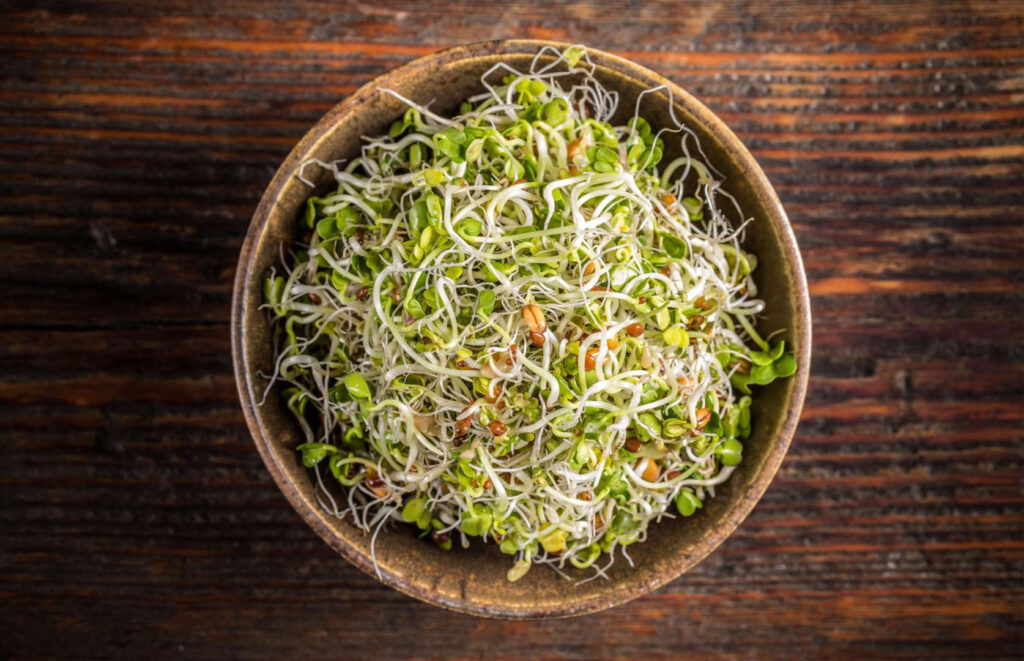
Alfalfa sprouts foods
Packed with nutrients and with a mild, earthy flavor and crisp texture, alfalfa sprouts are health food stars. Before you sprinkle them over your salad or sandwich, though, a word of caution: these sprouts need a warm, humid environment in which to grow, which is exactly the conditions in which bacteria thrive. With that in mind, they should ideally be consumed no more than two days after being purchased – otherwise your risk of getting ill from eating them increases. Experts advise that pregnant women avoid eating raw alfalfa sprouts entirely.
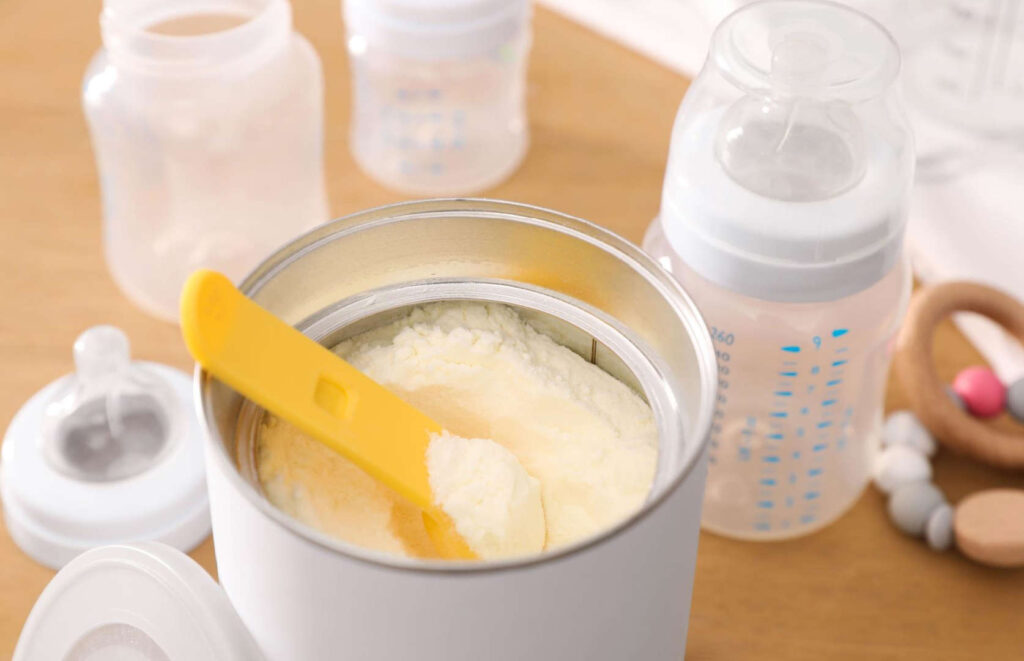
Baby formula
Baby formula should never be given to infants after the expiry date, which is stated on the packet and refers to the unopened shelf life of the product. This is because, although formula contains the exact nutrients babies need, once the expiry date passes, the nutritional value of the formula may change and could lead to a nutrient deficiency.
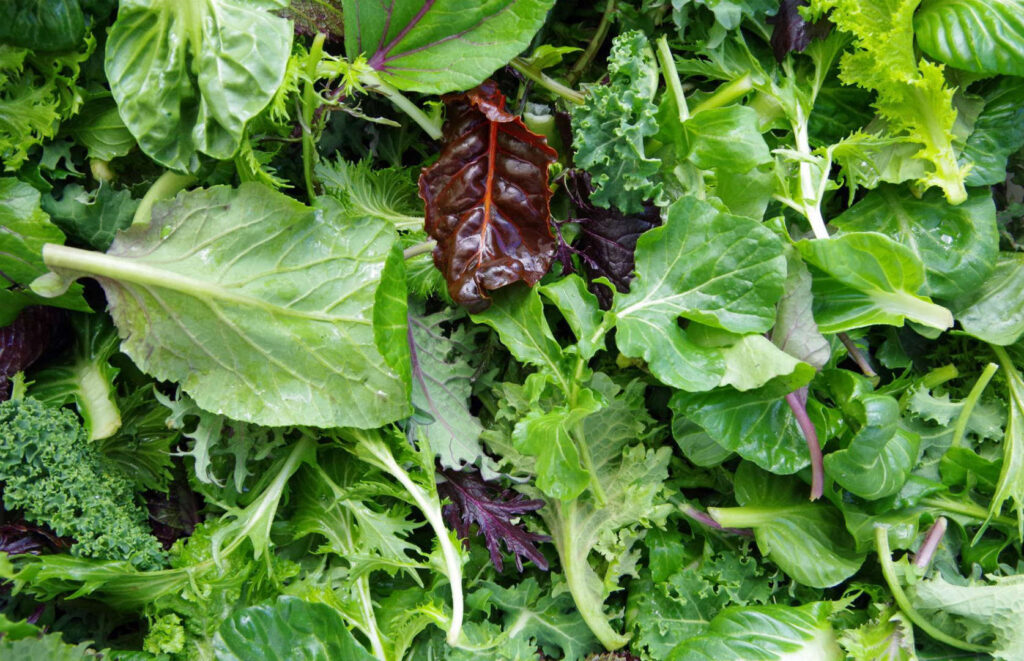
Bagged salads
Bagged salads may be pre-washed multiple times but, because they’re handled so frequently, they’re still prone to bacteria including listeria, salmonella and, at the very worst, E. coli. It’s impossible to know if your salad leaves may be affected, but you can reduce the risks by eating the salad as soon as possible after opening. Always throw away leaves that don’t look or smell as they should, too.
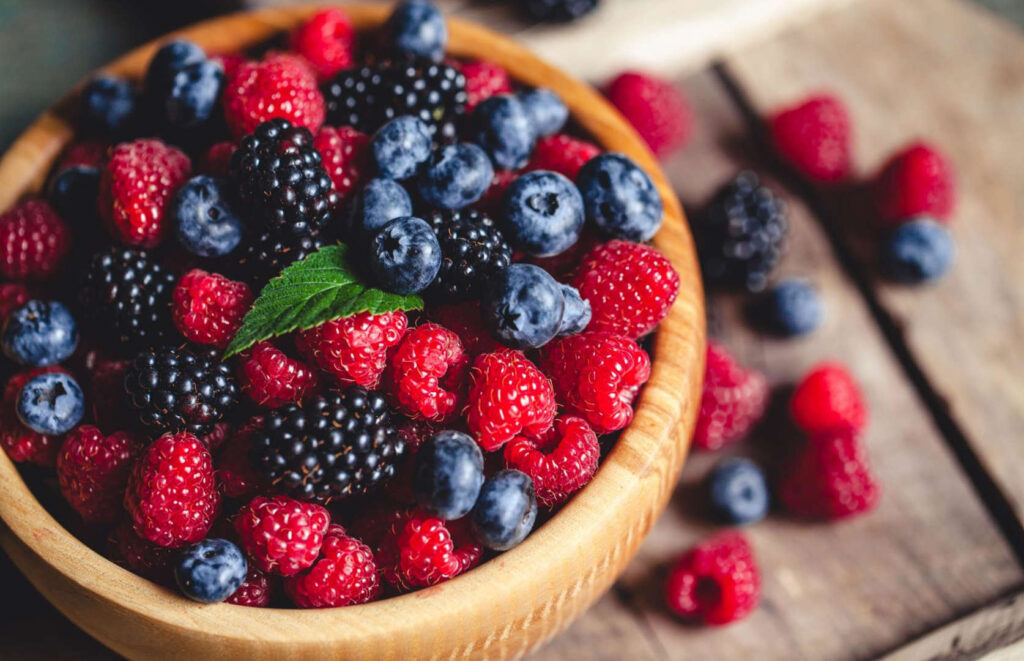
Berries risk
Frustrating as it may be to discover that your pricey punned of fresh berries has gone bad, eating a strawberry sporting a furry white cloak or a raspberry that’s rapidly turning to mush just isn’t advisable – and could make you sick. Because the mold spores are airborne, if one of your berries has gone bad it’s advisable to discard the entire pack. On average, berries will keep for up to three days in the fridge, so either eat them before they expire or freeze any you’re unlikely to work your way through
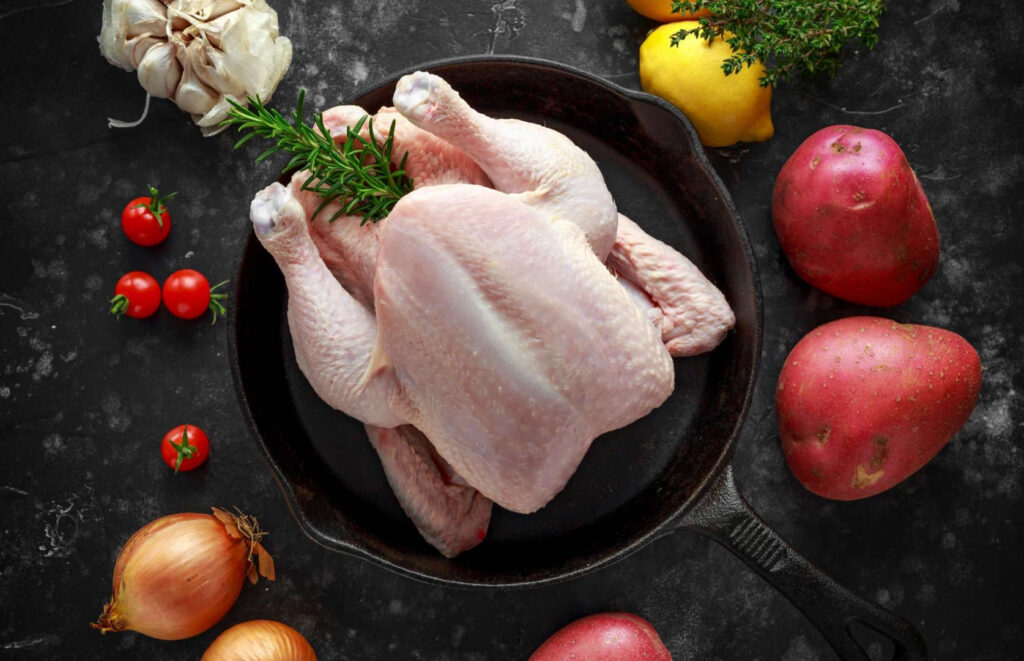
Chicken
If upon closer inspection the chicken you were planning to cook for dinner looks noticeably pale or grey, has a nasty smell or a bloated appearance, the bin really is the best place for it, regardless of the date on the packaging. This is primarily because consuming chicken or turkey that has gone off can cause a severe case of food poisoning, resulting in hospitalization or, in very extreme cases, death.
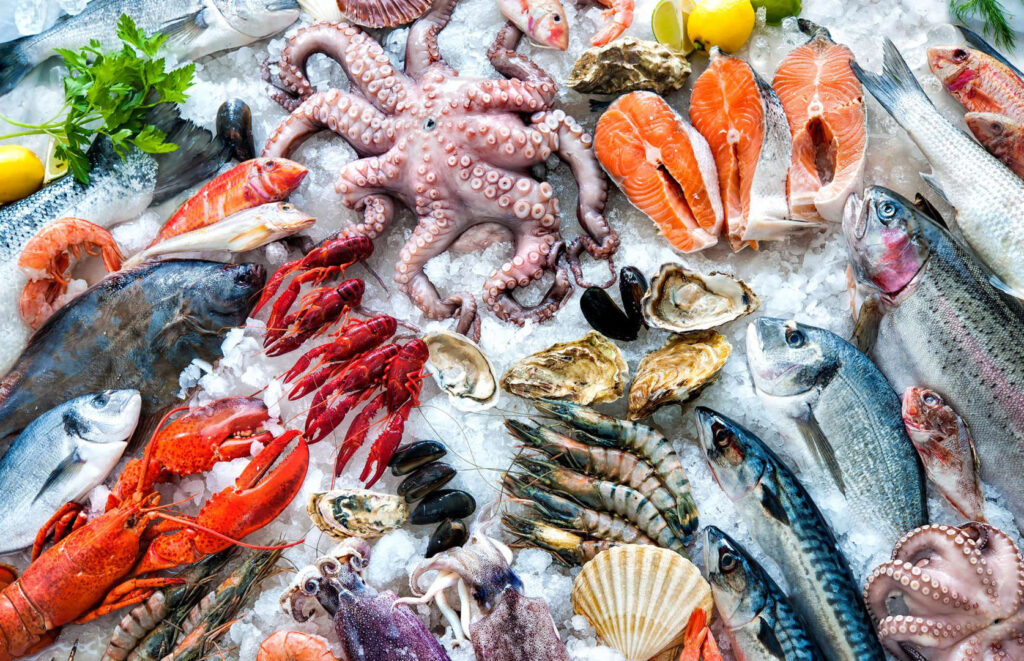
Fish
Fish that isn’t fresh or hasn’t been subject to proper storage and handling can cause food poisoning. One or two days is the maximum amount of time fish should be kept in the fridge before cooking or freezing. As with many of these foods, always trust your judgement; fresh fish should smell like the sea – if it has an overpowering, sour aroma or is visibly slimy, steer clear
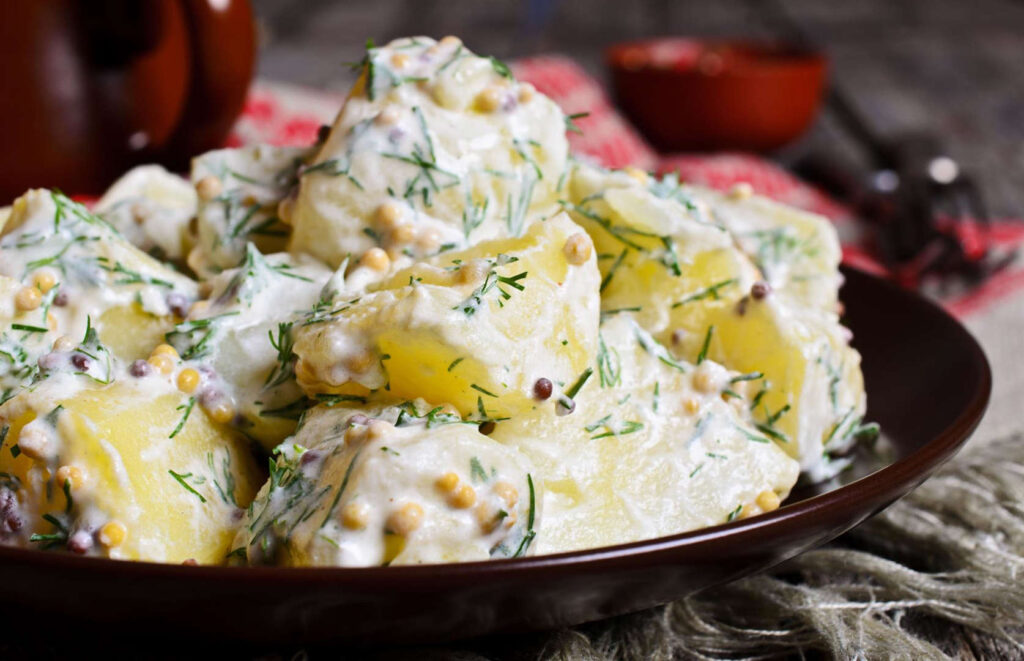
Potato salad
Fresh deli salads, particularly those laced with mayonnaise (here’s looking at you, potato salad), should be eaten no more than three to five days after purchase. Any longer than that and not only will the product have lost its freshness, but there’s also an increased risk of bacterial contamination. If said salad has been left out on the counter or buffet table for more than two hours – or worse, out in the sun at a picnic or barbecue – it’s best not to eat it at all.
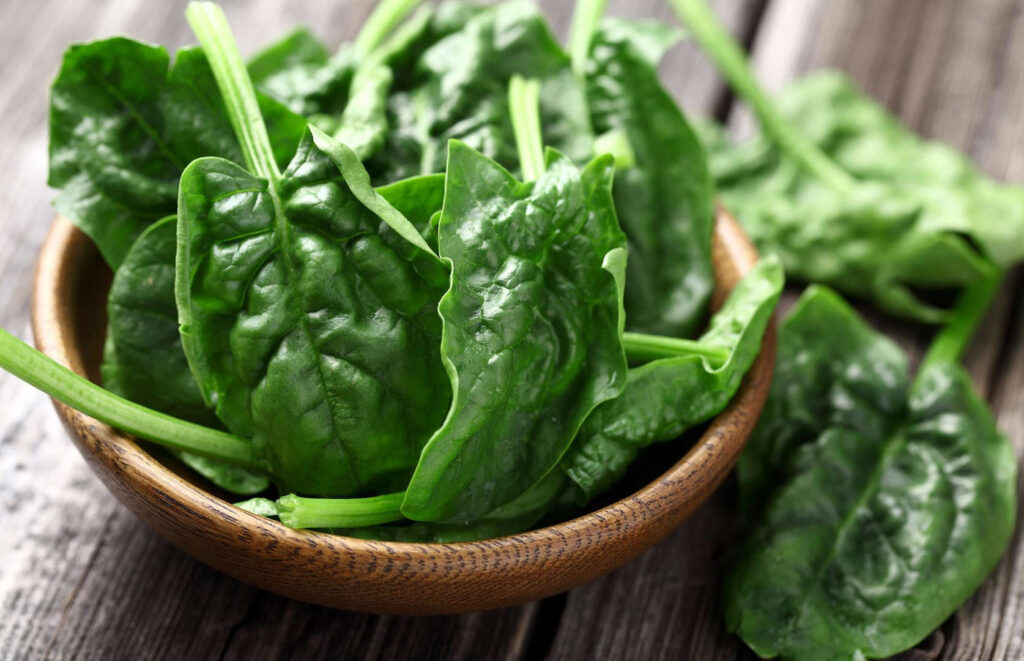
Spinach
©Dionisvera/Shutterstock
Regardless of the date stated on the packet, once spinach leaves start to wilt, it’s advisable not to eat them raw. While the general consensus is that limp leaves are safe to consume once cooked, if they’re brown or slimy it’s best to consign them to the compost heap. To help prolong their lifespan, spinach leaves should only be rinsed just before eating.
Now discover the food mistakes you should never make again
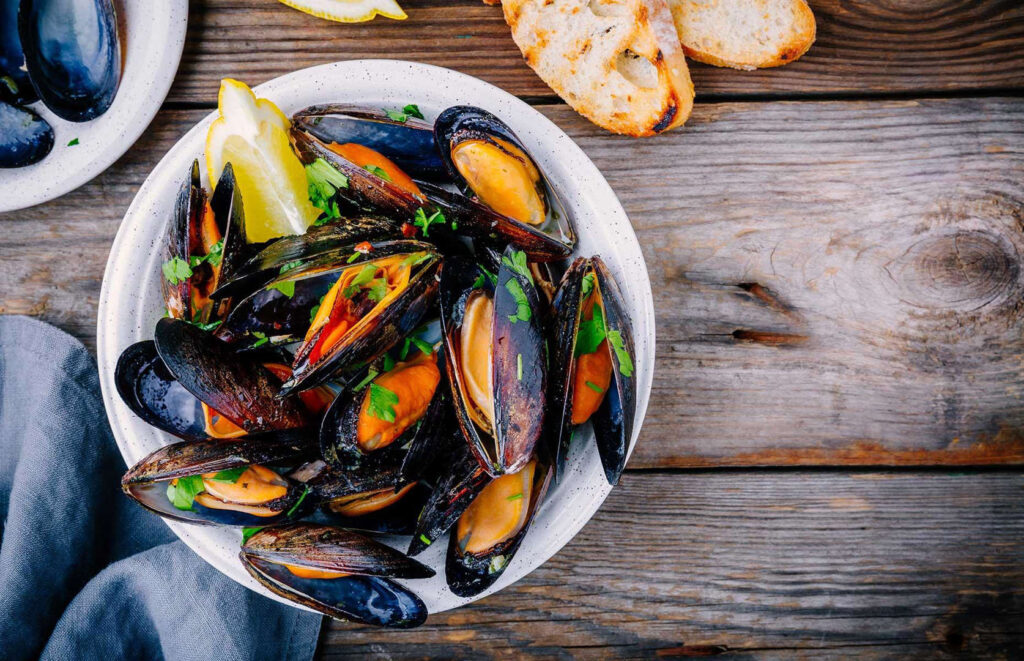
Mussels
While experts agree that live mussels can be kept in the fridge for longer than you might think (up to five days), most say that they taste best when consumed by day two. Proper storage is also critical: ensure they’re covered with a clean, damp cloth, or paper towel and never store them in water or in an airtight container. No matter how fresh they are, always discard mussels with cracked or broken shells or those that don’t close when tapped. Any mussels with shells that don’t open when cooked should also be thrown away.
Ground pork foods
Just like ground beef, ground pork’s expiry date should be adhered to as it can quickly become the ideal breeding ground for various types of harmful bacteria. The USDA’s Food Keeper App recommends only keeping minced pork in the fridge for one or two days before eating. Again, minced pork should also always be cooked thoroughly, until the internal temperature reaches 160°F to avoid food poisoning.

Cooking oil
While you might think that oil stays good indefinitely, cooking oils do have a shelf life and it’s worth paying attention to that date if you want your food to taste the best it possibly can. On average, most cooking oils will last for six months once opened, and potentially longer if stored away from light and heat. Oil that is past its best will develop a rancid, bitter smell and taste, which may well find its way into your food.

Cold-pressed juices foods
As galling as it may be to throw food or drink away – particularly when you haven’t even opened it, and especially when it was expensive to buy – raw cold-pressed juices that have passed their expiry date shouldn’t be consumed. This is primarily because they’re unpasteurized and far more prone to contamination by bacteria and yeast. In general, fresh juices (including homemade) should be consumed within five days of production.
https://paktrend.pk/auto-draft
https://www.hellobrigit.com/learn/can-i-still-eat…
Can I still eat that? Foods that are safe after expiration
how you can save money, reduce food waste, and keep from getting sick by understanding which foods you can still eat long after their expiration dates have passed.